
Digital impressions and limited print editions
In printing, an impression is a single printed copy. For artists and photographers, every digital impression in an edition should match. Here is how we produce consistent editions and short runs.
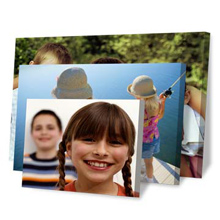
What is an impression?
The word comes from traditional printmaking, where each sheet pressed against an inked plate was an impression. A digital impression is the same idea: one printed copy of an image. When you publish an edition of prints, each one is an impression, and buyers expect them all to look the same. Consistency is what turns a set of prints into a proper edition, and it is what gives collectors confidence that the print they buy is the same as the one they saw on the wall.
Planning an edition
- Decide the edition size before you start. A limited edition is a promise to buyers, so set the number and stick to it.
- Choose one paper and one size per edition. Different sizes are usually treated as separate editions.
- Keep a master file that is never altered once the edition begins.
- Record your settings, including paper and any colour adjustments.
Consistency between prints
Digital printing has a big advantage for editions: the same file on the same paper produces near-identical results, whether impressions are printed together or months apart. We keep a record of the file and paper used, so reprints within an edition match earlier copies. Printing in smaller batches as you sell also saves you paying upfront for stock you may not need.
Papers for fine art impressions
Giclée printing on archival fine art papers is the usual choice for limited editions. Textured papers suit painting and drawing; smoother papers show fine detail in photography and digital work. Canvas is another option for larger impressions designed to hang unframed. See our art reproductions page for how originals are captured and printed.
Signing, numbering and certificates
Leave a white border around the image for your signature and edition number, conventionally written in pencil, such as 12/50. Many artists also provide a certificate of authenticity. Our designers can lay out certificates and labels to match your branding. Upload files through the upload tool, or browse our art prints page for paper options.
Questions
Do all prints in an edition have to be printed at once?
No. Because the same file and paper give consistent results, you can print impressions in batches as they sell. We keep a record of your settings so later prints match.
How do I number a limited edition?
Each print is usually marked in pencil with its number and the edition size, such as 12/50, along with your signature. Leaving a white border gives space for this.
Tell us what you need printed
Give us the size, the material and the date you need it. We will check your files and send a quote.
0203 026 0636