
Photographic prints
The same photograph can look quite different depending on what it is printed on. This guide to photographic prints explains the main papers and finishes, and which suits portraits, landscapes, exhibitions and portfolios.
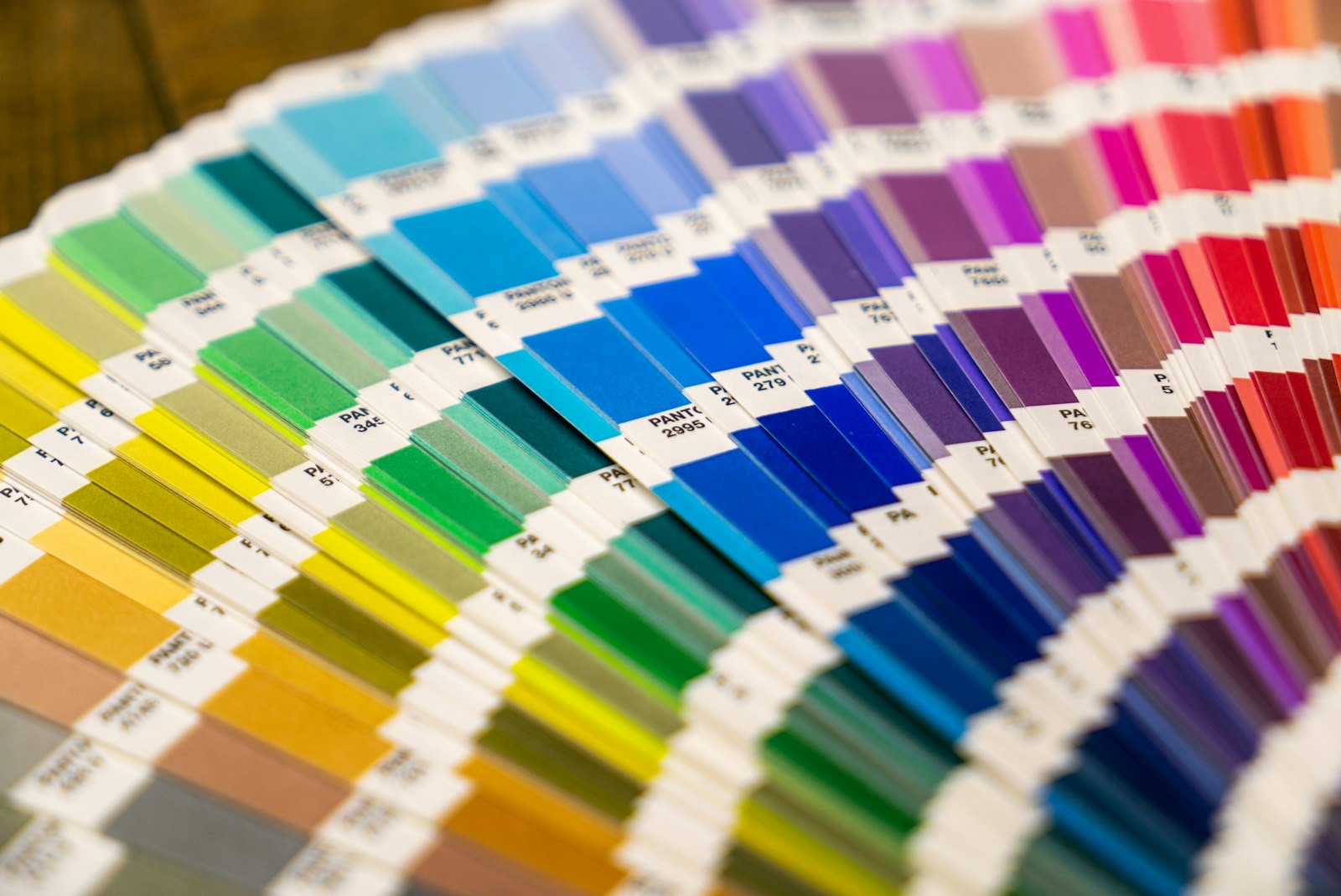
Photographic papers
- Gloss: the deepest blacks and most saturated colour, but strong reflections. Good for vivid images seen under controlled light.
- Lustre or satin: a slight texture with rich colour and fewer reflections. A popular all-rounder for portraits, weddings and portfolios.
- Matt: no shine at all, softer contrast and easy to view from any angle. Suits documentary work and prints displayed in bright rooms.
Fine art papers
For exhibition and archival work, fine art papers offer textures such as smooth cotton rag, textured watercolour styles and baryta-type papers that echo traditional darkroom prints. Printed as giclee prints, they are chosen for longevity and subtle tonal reproduction, which makes them a favourite for black and white photography and limited editions. See our art prints page for more on giclee.
Mounted and display prints
Prints can be mounted on rigid board for exhibitions and frameless display:
- Foamex: light and affordable for short exhibitions and events.
- Dibond: aluminium composite that stays flat for years, popular in galleries.
- Acrylic: face-mounted or printed for a glossy, deep look.
Canvas
Photographs printed on canvas and stretched on 36mm bars have a painterly texture and need no glass. Canvas is forgiving of slightly lower-resolution images and suits family photos, landscapes and interior decoration. For more, see photographic canvas prints.
Choosing for the job
For a gallery exhibition, fine art paper or mounted Dibond gives a considered, lasting finish. For a portfolio, lustre is easy to handle and shows colour well. For a large print in a bright office, matt or canvas avoids glare. For event displays, mounted Foamex is light and economical.
Not sure? Order a small test print on two papers and compare them side by side. If your photographs are still on film, our scanning service can digitise them first. To understand how files are handled from upload to finished print, read about our photographic printing process, then request a quote.
Questions
Which paper is best for black and white photographs?
Many photographers prefer fine art cotton or baryta-style papers for black and white work, because they reproduce subtle greys and deep blacks well. A matt or lustre paper is a good choice if you want fewer reflections.
How should I display photographs at an exhibition?
For a lasting, gallery-style finish, fine art prints framed behind glass or prints mounted on Dibond work well. For short events, mounted Foamex is lighter and more economical. Plan hanging methods with the venue in advance.
Tell us what you need printed
Give us the size, the material and the date you need it. We will check your files and send a quote.
0203 026 0636