
Pictochrome and colour reproduction
Pictochrome is an older term linked to tonal separation work for printed maps and pictures. If you found us searching for it, you are probably after accurate, large colour reproductions, which we can help with.
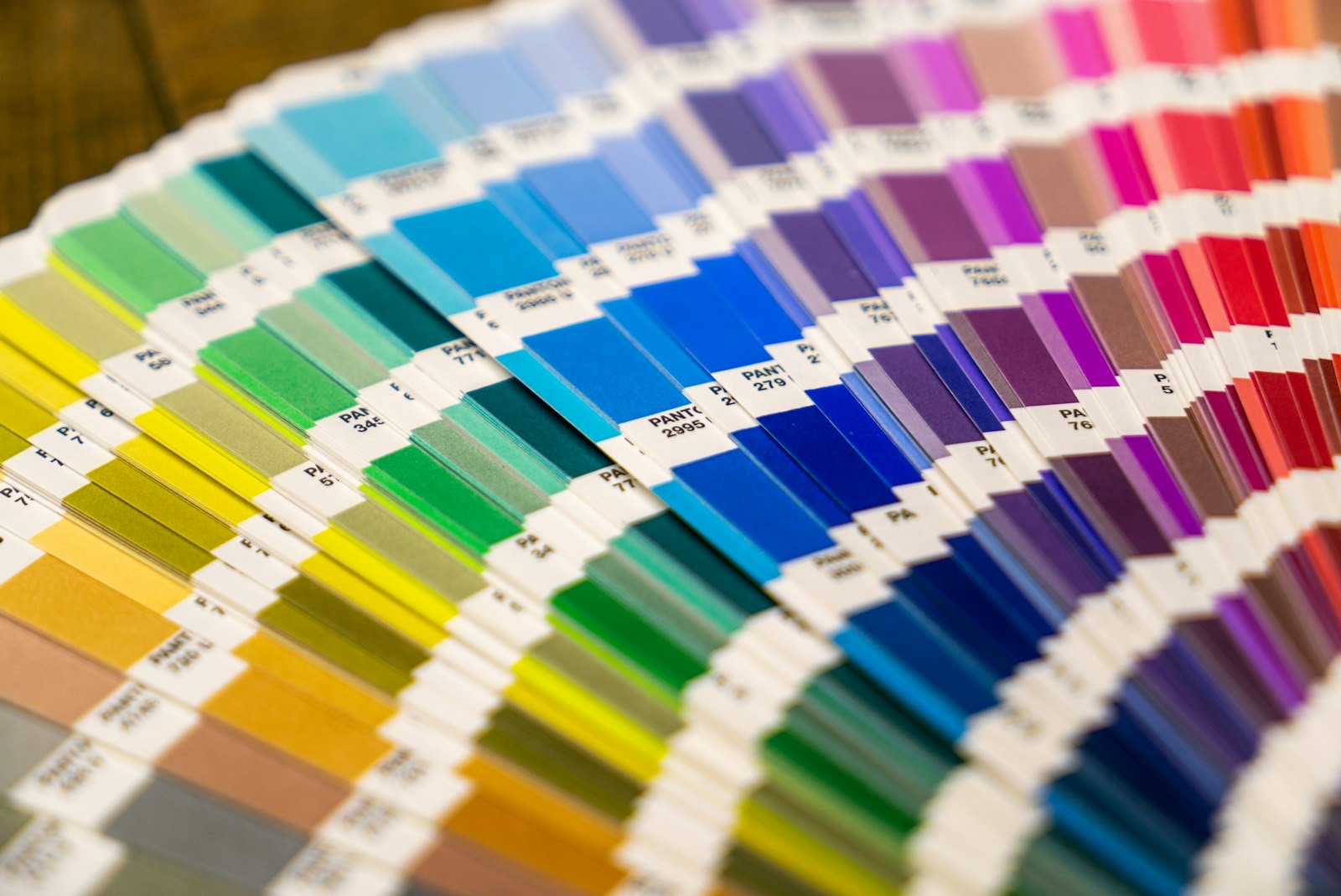
What the term refers to
Pictochrome is associated with older reproduction methods, where an image was broken into a series of tonal or colour separations so it could be reproduced in print. Those methods relied on film, plates and a great deal of manual skill. We do not run a pictochrome process today, and we would rather say so plainly than suggest otherwise.
The modern way to the same result
The goal of those processes was a faithful, detailed colour reproduction. Today that is done digitally in two steps:
- Capture. A drum scan of a photograph, transparency or negative, at up to 8,000 dpi, records fine detail and smooth tones.
- Output. The file is colour checked and printed on a large format printer onto paper, canvas, fine art stock or rigid board.
Because both steps happen in our workshop, colour can be judged and adjusted against the original before the final print is made.
Where accurate reproduction matters
- Historic maps, photographs and archive images for museum displays
- Artists' editions and gallery reproductions
- Exhibition panels that need to match an original closely
Our pages on art reproductions and prints for museums go into more detail on those uses.
Talk to us about your original
If you have a specific original or an older specification that mentions pictochrome or separations, send us the details. We will explain what we can produce from it, which materials suit, and what size it can realistically be reproduced at.
Choosing materials for a reproduction
The material changes how a reproduction looks and lasts. Photographic papers give crisp detail and rich blacks. Fine art giclée papers have a softer, matt surface that suits drawings, maps and paintings. Canvas, stretched on 36mm bars or framed, works well for decorative pieces, while prints mounted on rigid board suit museum and exhibition settings where panels need to stay flat. If you are unsure, we can print a small test so you can compare before ordering the full size.
Questions
Can you work from old separation films?
Contact us with details first. In most cases the best route is to scan the original image, or the best surviving positive, and work digitally from there rather than recombining separations.
Can you reproduce a map or chart at a larger size?
Yes, provided the original can be scanned or you supply a good digital file. We will check the resolution against the size you want and tell you how far it can be enlarged.
Tell us what you need printed
Give us the size, the material and the date you need it. We will check your files and send a quote.
0203 026 0636